
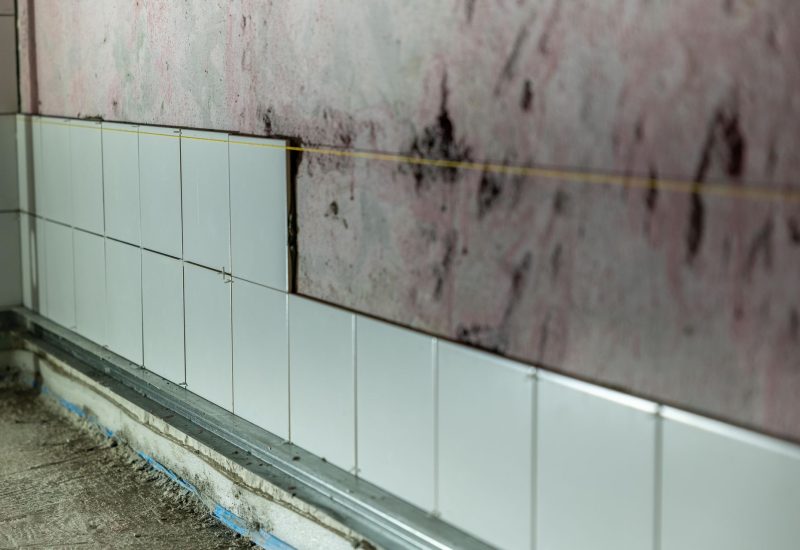
Mold can be hard to find. You may smell something musty, notice signs of past water damage, or feel worried about a hidden problem. Still, you may not see mold anywhere.
A standard mold inspection may find moisture or visible growth. However, mold can also hide behind walls, beneath flooring, above ceilings, and inside cabinets. This is where a trained mold detection dog can make a major difference.
At Mold Canine, Molly works with an experienced handler to locate the scent of hidden mold. She is trained to detect 16 species of toxic mold, representing thousands of mold types. She can also detect viable and non-viable mold, including dry spores and mycotoxins that infrared tools may not identify.
Here is what you can expect when you schedule a canine-led inspection.
1. The Team Learns About Your Mold Concerns
Your inspection starts before Molly enters the property. The Mold Canine team will ask questions to learn more about the situation.
You may be asked about:
- Musty or damp smells
- Past roof, plumbing, or basement leaks
- Flooding or water damage
- Visible spots or discoloration
- Previous mold removal
- Rooms where you suspect a problem
- Concerns related to buying or selling a home
These questions help the team understand where moisture or mold may be present. They also give the handler important background before the search begins.
You do not need to know where the mold is located. That is the purpose of the inspection. Simply share what you have noticed and any history that may help.
Mold Canine’s contact process is designed to provide clear direction without rushing homeowners. The team asks about the property, recent water issues, visible growth, and past remediation before helping the customer schedule the right service.
2. The Property Is Prepared for the Mold Detection Dog
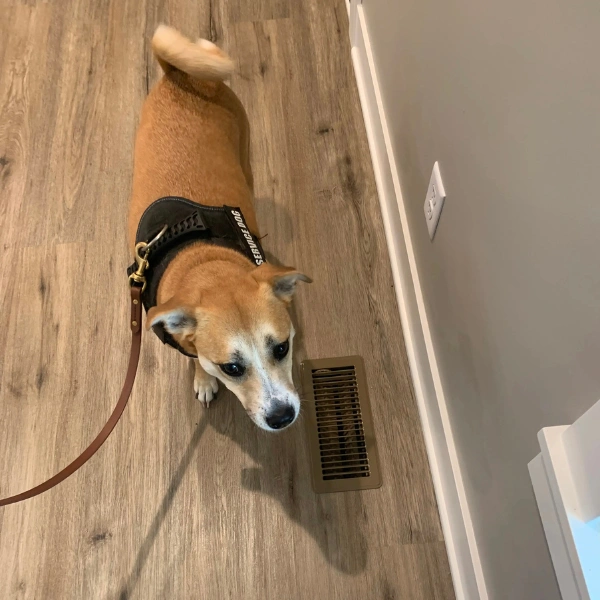
Before the search starts, the handler may ask you to make a few simple changes inside the property.
Food, pet treats, toys, and strong-smelling products may need to be moved out of the dog’s reach. Other pets may need to stay in a separate room. Fans or certain air-moving equipment may also need to be turned off.
These steps give the mold detection dog a clear space to work. They also reduce distractions that could make the search more difficult.
The handler remains in control throughout the inspection. Molly is not released to wander around the property alone. She works as part of a trained team and follows a planned search pattern.
A typical residential search may take around 30 to 90 minutes, although the total time depends on the size, layout, and condition of the property. Mold detection dogs usually complete hundreds of hours of professional training before working inside homes and businesses.
3. Molly Searches for the Scent of Hidden Mold
This is the part that makes a canine-led professional mold inspection different.
Molly carefully searches the property while her handler watches her behavior. She may check along walls, cabinets, flooring, vents, ceilings, and other areas where mold could be hiding.
Mold detection dogs are trained to recognize the odors produced by mold. These odors are known as microbial volatile organic compounds, or MVOCs. A dog’s powerful sense of smell can help identify the source of an odor without opening walls or tearing up floors.
Molly may search areas such as:
- Basements and crawl spaces
- Kitchens and bathrooms
- Areas near plumbing fixtures
- Rooms affected by roof leaks
- Cabinets and closets
- Flooring near past water damage
- Walls and ceilings with suspicious odors
- Attics and other moisture-prone spaces
When Molly detects a trained mold odor, she alerts her handler. The exact response depends on how she was trained, but it gives the handler a clear location to examine more closely.
This process helps narrow down the problem area. Instead of testing random rooms or removing large sections of building material, the inspection becomes more focused.
4. Alerts Can Guide Targeted Mold Testing
A canine alert does not replace every other inspection method. Instead, it gives the inspector a strong starting point.
After Molly identifies a possible source, the team may examine the location for moisture, water damage, visible growth, or other warning signs. Targeted mold testing may then be recommended to gather more information.
Testing may include:
- Surface samples
- Swab samples
- Air samples
- Samples sent to an independent laboratory
Air testing may show that mold spores are present, but it does not always reveal the exact source. Air movement, HVAC use, humidity, and other conditions can affect the sample. Surface testing can be helpful when the inspector needs information about a specific area or material.
By using Molly first, samples can be collected from areas that are more likely to contain the source. This can reduce guesswork and help homeowners avoid paying for tests in unrelated rooms.
It can also give a mold remediation company clearer direction. When workers know where the problem begins and ends, they can create a more focused removal plan.
5. You Receive Clear Findings and Next Steps
The goal of a canine mold inspection is not to scare you. It is to replace uncertainty with useful information.
After the search, the Mold Canine team will explain where Molly alerted and what those alerts may mean. Depending on the service selected, you may also receive testing results, documentation, or recommendations for the next step.
Possible next steps may include:
- Correcting a plumbing or roof leak
- Reducing indoor humidity
- Collecting targeted laboratory samples
- Contacting a qualified remediation company
- Checking nearby materials for water damage
- Scheduling post-remediation clearance testing
Mold Canine focuses on locating mold before expensive remediation begins. Pinpointing the source can reduce unnecessary testing, limit demolition, and help the property owner make a more informed decision.
Frequently Asked Questions About Canine Mold Inspections
Can a mold detection dog find mold behind a wall?
A trained dog may detect mold odors coming from behind walls, beneath floors, above ceilings, or inside cabinets. This helps the inspector narrow down the source without immediately damaging the property.
Does the dog identify the exact type of mold?
The dog alerts to odors she has been trained to recognize. Laboratory mold testing may still be used when the property owner needs confirmation of the mold type or written documentation.
Will walls need to be opened during the inspection?
The canine search itself is non-destructive. The purpose is to locate suspicious areas before anyone begins cutting drywall or removing flooring.
Should I schedule an inspection after mold remediation?
Yes, post-remediation inspection and testing may help determine whether elevated mold conditions have been properly addressed. Mold Canine notes that clearance testing can be used to verify results after cleanup.
When should I contact a mold detection company?
Consider scheduling an inspection when you notice a musty smell, experience water damage, receive unclear test results, plan to buy a property, or believe mold may have returned after remediation.
Stop Guessing About Hidden Mold
Hidden mold can leave you with more questions than answers. Random testing and unnecessary demolition may add cost without locating the real source.
A trained mold detection dog gives your inspector another powerful way to search the property. By identifying specific areas of concern, Mold Canine can help make your mold inspection faster, more focused, and easier to act on.
Call Mold Canine at (248) 294-0560 or request a free quote to schedule a professional inspection with Molly. A trusted mold detection company can help you stop guessing and take the right next step.