
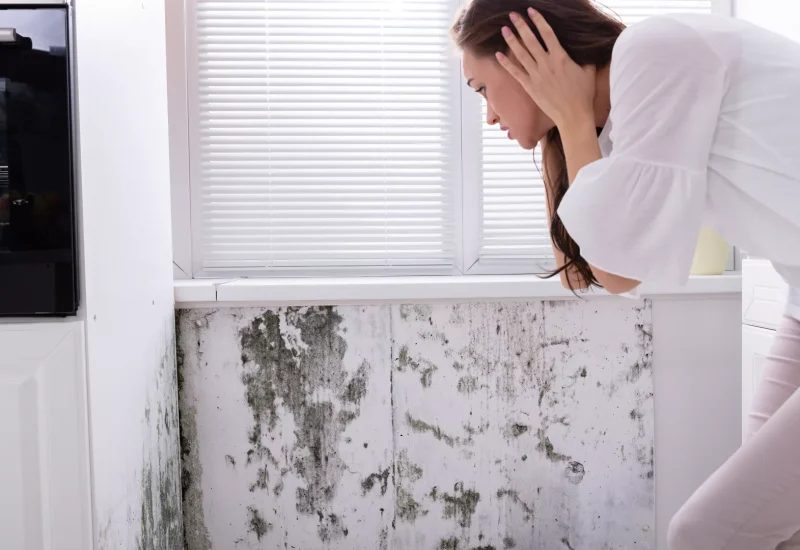
You walk into your basement, bedroom, or hallway and notice a damp, musty smell. You check the walls, look under the sinks, and search around the windows. Everything appears clean, but the odor will not go away.
A musty smell can be frustrating because it may point to moisture or mold hidden somewhere you cannot see. Mold can grow behind walls, beneath flooring, above ceilings, inside cabinets, or near an old leak. A basic visual check may not be enough to find the source.
That is where a professional mold inspection can help. At Mold Canine, our trained mold detection dog, Molly, uses her powerful sense of smell to search for hidden mold odors and pinpoint areas that may need closer attention. This focused process can help you stop guessing and make a better plan for your property.
Why Does Your Home Smell Musty?
A musty odor often develops when moisture becomes trapped in an area with poor airflow. Mold needs moisture and a food source, such as drywall, wood, insulation, carpeting, or dust, to grow.
The smell may become stronger after heavy rain, during humid weather, or when the heating and cooling system turns on. However, the source may be far from the place where you first notice the odor.
Common causes of musty smells include:
- A slow plumbing leak behind a wall
- Past flooding or water damage
- A leaking roof or window
- Condensation near air ducts
- Moisture beneath carpeting or flooring
- A damp basement or crawl space
- Poor ventilation in bathrooms or laundry rooms
- Water around a foundation
Sometimes, the water problem has already been repaired, but hidden mold or damaged materials remain. In other cases, the leak is still active but too small to create an obvious stain.
A musty odor does not automatically prove that you have a serious mold problem. However, it is a good reason to investigate instead of covering the smell with candles, sprays, or air fresheners.
Why Hidden Mold Can Be Difficult to Find
Mold does not always grow in open, easy-to-see areas. It may develop inside a wall cavity, behind a cabinet, beneath a finished floor, or above a ceiling.
Traditional mold inspection methods may include a visual review, moisture checks, air samples, and surface samples. These tools can provide useful information, but each has a different purpose. Air and surface samples may help identify mold spores, while moisture tools can locate damp building materials.
The difficult part is finding the exact source.
Air movement, humidity, HVAC systems, and other conditions can affect where mold spores travel. A sample may show that mold spores are present without clearly showing where the growth is located. Mold Canine uses canine detection to help narrow the search and guide further inspection or testing toward specific areas.
This targeted approach may help property owners avoid opening several walls or removing large sections of flooring just to search for the problem.
How a Mold Detection Dog Searches for Mold
Dogs have an extremely powerful sense of smell. With specialized training, a mold detection dog can learn to recognize the odors connected to certain molds and alert a handler when the scent is found.
Molly, Mold Canine’s trained detection dog, can search areas such as:
- Walls and baseboards
- Ceilings and attic spaces
- Cabinets and closets
- Basements and crawl spaces
- Carpeted rooms
- Areas affected by leaks
- Spaces around windows and doors
- Flooring and other building materials
When Molly detects a trained mold odor, she alerts her handler near the suspected source. This does not require immediately cutting into the wall or tearing up the floor.
Mold Canine states that Molly is trained to detect 16 species of toxic mold, including odors linked to viable and non-viable mold, dry spores, and mycotoxins. Her job is to help identify where a concern may be located so that any needed mold testing, repairs, or remediation can be more focused.
Canine detection does not replace every form of professional mold testing. Samples may still be recommended when you need laboratory identification, documentation, or post-remediation clearance. Instead, a mold dog adds another useful layer to the inspection by helping determine where testing may be most valuable.
When Should You Book a Professional Mold Inspection?
You do not need to wait until a wall is covered in dark spots. Early investigation can give you more options and help prevent unnecessary repairs.
Consider contacting a mold detection company when:
- A musty smell keeps returning
- You recently had a roof, pipe, or appliance leak
- Your basement often feels damp
- You are buying or selling a property
- Previous mold testing did not locate the source
- Mold was removed but the odor returned
- You want to check an area before starting repairs
- You see staining, bubbling paint, or warped materials
A professional mold inspection is especially useful when you have clues but no clear answer. Mold Canine inspects homes, businesses, schools, and other properties in parts of Michigan, Illinois, Indiana, and Ohio. The company’s listed service areas include cities such as Detroit, Ann Arbor, Grand Rapids, Kalamazoo, Lansing, Chicago, Naperville, and Downers Grove.
Before the appointment, make a list of where you notice the smell and when it seems strongest. You should also share any history of leaks, flooding, roof damage, plumbing trouble, or past remediation. These details can help the inspection team focus on the most likely problem areas.
Frequently Asked Questions About Musty Smells and Mold Detection
Does a musty smell always mean mold?
No. Damp materials, poor ventilation, old carpeting, and other moisture problems may also create unpleasant odors. A professional inspection can help you identify the likely cause.
Can mold grow behind a wall without showing any stains?
Yes. A small plumbing leak, roof leak, or condensation problem can create moisture inside a wall cavity before visible damage appears on the outside.
Is canine mold detection destructive?
The canine search itself is non-destructive. The dog searches for mold odors without cutting walls or removing flooring. Additional investigation may be recommended after an alert.
Will I still need mold testing?
Possibly. Laboratory testing may be helpful when you need to identify the type or concentration of mold, document conditions, or confirm that remediation was successful.
Can a mold detection dog help lower repair costs?
Finding a focused area of concern may reduce unnecessary demolition and help remediation professionals work from a more informed plan. However, the final cost will depend on the location, moisture source, damage, and repairs needed.
Stop Covering the Smell and Start Looking for the Source
A musty odor that keeps returning is your home’s way of telling you that something needs attention. Sprays and air fresheners may hide the smell for a few hours, but they will not solve a hidden moisture or mold problem.
Mold Canine offers a focused approach that combines professional mold inspection with the scent-detection skills of Molly, a highly trained mold dog. By narrowing down where hidden mold may be located, the team can help you move forward with more clarity and less guesswork.
Do not wait for visible damage to spread across a wall or ceiling. Schedule an inspection with Mold Canine and take the first step toward finding the source.
Call Mold Canine at (248) 294-0560 or request an appointment online today.