
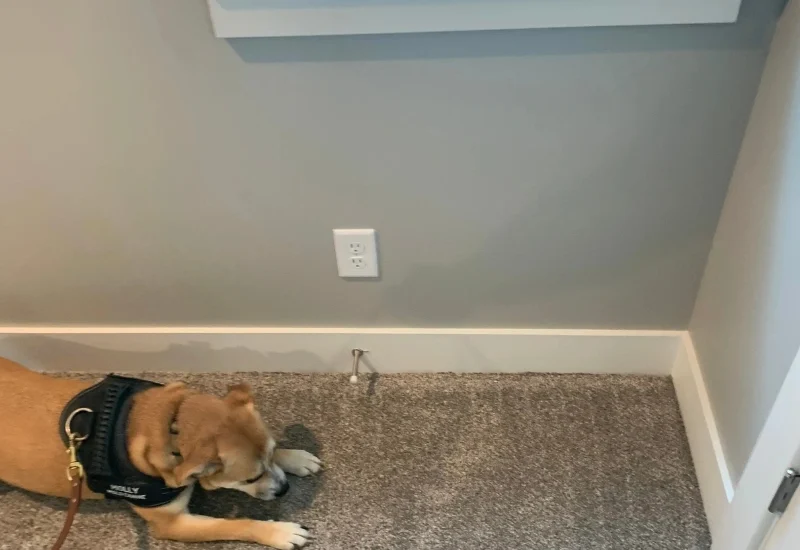
What Mold Inspection and Mold Testing Really Tell You
Mold inspection and mold testing are common steps when you suspect a mold problem.
A mold inspector will:
- Look for visible mold
- Check for moisture or water damage
- Identify musty smells
Mold testing will:
- Collect air samples
- Take surface samples
- Send results to a lab
This process helps confirm mold is present. That is helpful, but it is not the full picture.
The biggest gap is simple. These methods often do not tell you exactly where the mold is hiding.
Why Traditional Methods Can Fall Short
Mold testing sounds precise, but it has limitations.
Air samples can be affected by:
- Air movement in the home
- HVAC systems
- Time of day
- Humidity levels
This can lead to results that are hard to understand.
Common issues include:
- Results that show mold but not the source
- Missed mold behind walls or under flooring
- Extra costs from testing areas that are not the real problem
You end up with data, but not direction.
How a Mold Sniffing Dog Improves Accuracy
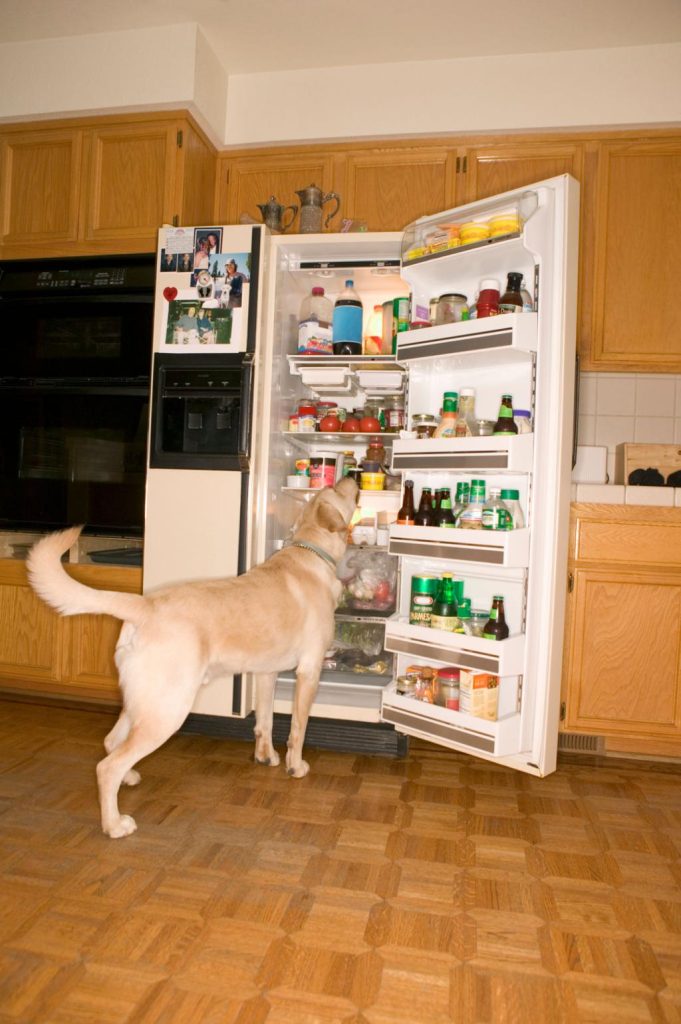
A mold sniffing dog is trained to detect the scent of mold at its source.
This changes everything.
Instead of broad testing, the dog can:
- Locate mold behind drywall
- Detect hidden mold under floors
- Identify mold inside cabinets or ceilings
- Alert to the exact problem area
This makes mold inspection more focused and efficient.
You no longer have to guess where to open walls or what areas to fix.
Key Benefits of Using a Mold Sniffing Dog
Homeowners are turning to this method for a reason. It delivers results that are easier to act on.
Clear answers
- You know exactly where the mold is
- No confusion from lab reports
Faster process
- No waiting for test results
- Immediate feedback during the inspection
Lower costs
- Targeted repairs instead of broad demolition
- Avoid paying for unnecessary work
Less stress
- Confidence in the plan
- No second guessing
This approach turns a complicated situation into a simple plan.
When This Method Makes the Most Sense
A mold sniffing dog is especially helpful in these situations:
- You smell mold but cannot find it
- You had a leak or water damage
- Mold testing results were unclear
- You want to avoid high remediation costs
- You are buying or selling a home
In each case, knowing the exact source of mold makes all the difference.
FAQs About Mold Sniffing Dogs and Mold Testing
Are mold sniffing dogs reliable?
Yes. Trained dogs can detect mold at very low levels and identify exact locations.
Do I still need mold testing?
Sometimes. Testing may be used for documentation, but finding the source is the most important step.
Is the inspection invasive?
No. The dog can locate mold without tearing into walls or floors.
Can this help reduce repair costs?
Yes. By targeting the exact area, you avoid unnecessary work and save money.
Better Results Start with Better Detection
Mold inspection and mold testing are useful, but they often stop short of giving you real answers.
A mold sniffing dog transforms the process by showing you exactly where the problem is.
That means:
- Faster solutions
- More accurate repairs
- Lower overall cost
If you want results you can act on, this is the smarter way to handle mold.
Ready to take control of your mold problem and get clear answers fast?
Contact a professional mold inspector with a mold sniffing dog today and move forward with confidence.