
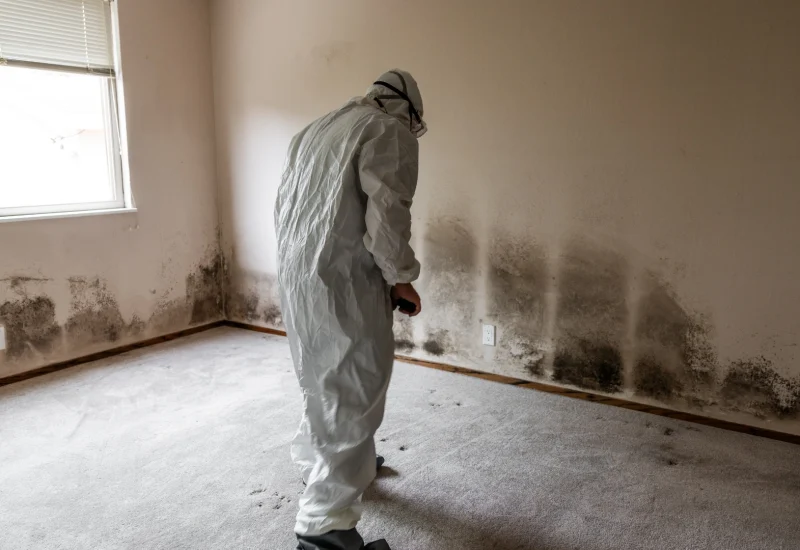
You notice a musty smell every time you walk into the basement. A brown mark has appeared near the ceiling. Maybe your family has started coughing or sneezing more often at home. You look around, but you cannot see any mold.
That does not always mean the problem is not there.
Mold may grow behind drywall, above ceiling tiles, beneath flooring, around plumbing lines, or inside other hidden spaces. Because opening every wall would be expensive and damaging, a professional mold inspection focuses on finding clues and narrowing down the source.
At Mold Canine, a trained mold detection dog works alongside professional inspection and testing methods to help locate possible mold growth more efficiently.
Why Mold Can Be Difficult to Find
Mold needs moisture and a material it can grow on. Drywall, wood, ceiling tiles, carpet, and insulation can all provide the right surface when they stay damp.
A slow plumbing leak may feed mold inside a wall without leaving a large puddle. Roof damage can allow water to collect above a ceiling. Condensation around pipes or air ducts may also create damp areas that are difficult to see.
The Environmental Protection Agency explains that moisture control is the key to controlling mold. If the water source is not fixed, mold may return even after the affected materials are cleaned or removed.
Common signs of hidden mold may include:
- A musty or earthy odor
- Bubbling, cracking, or peeling paint
- Stains on walls or ceilings
- Warped flooring or soft drywall
- Past flooding, roof leaks, or plumbing problems
- Condensation around windows, pipes, or air vents
- Mold that returns after cleaning
These signs do not prove that mold is present. However, they can show that your property may need a professional mold inspection.
How a Professional Mold Inspection Begins
A good inspection starts with a conversation. The inspector may ask when you first noticed the problem, whether the property has had water damage, and where you smell unusual odors.
Next, the inspector examines the property for visible mold, moisture damage, poor ventilation, plumbing concerns, and other conditions that could support mold growth.
The inspection may include areas such as:
- Basements and crawl spaces
- Bathrooms and kitchens
- Attics and ceilings
- Areas around windows and doors
- Walls containing plumbing lines
- HVAC systems and utility rooms
- Rooms affected by previous water damage
Moisture meters and infrared tools may help identify temperature changes or damp materials. These tools are useful, but they do not always detect dry mold spores, inactive mold, or every contaminated area.
This is where canine mold detection may provide another layer of information.
How a Trained Mold Detection Dog Helps Locate the Source
Dogs have a powerful sense of smell. With specialized training, a mold detection dog can recognize odors connected to specific types of mold and alert the handler when those odors are found.
Mold Canine works with Molly, a trained mold detection dog that can identify 16 species of toxic mold representing thousands of mold types. According to the company, she can detect viable and non-viable mold, including dry mold spores and mold-related material that infrared equipment may not find.
During the inspection, Molly moves through the property with her handler. She checks walls, ceilings, cabinets, floors, furniture, and other accessible areas. When she detects a trained mold odor, she gives an alert to the handler.
An alert does not replace laboratory mold testing. Instead, it helps the inspection team focus on a smaller area.
For example, a musty smell may seem to fill an entire room. A canine alert near one section of the wall can give the inspector a more focused starting point. This may help reduce random cutting, unnecessary demolition, and guesswork during remediation.
It is similar to following a trail instead of searching the whole property without direction.
How Mold Testing Supports the Inspection
A canine alert can identify an area of concern, while mold testing can provide more information about what may be present.
Depending on the property and the suspected problem, testing may include:
- Air samples: Used to compare airborne mold levels in different areas.
- Surface samples: Collected from a wall, ceiling, floor, or other material.
- Swab samples: Taken from a specific visible or suspected area.
- Tape samples: Used to collect material from a surface for laboratory review.
- Dust samples: Sometimes used to evaluate settled material in the property.
Samples are sent to a laboratory for analysis. The results may identify the types and amounts of mold found in the collected samples.
Professional mold testing is most useful when it is guided by a detailed inspection. Testing random areas without first investigating the property may confirm that mold spores exist but still fail to show where the main growth is located.
Mold Canine combines canine detection with professional mold testing to help answer two important questions:
- Is mold present?
- Where is the likely source?
Finding the source matters because the remediation team needs a clear area to address. Without that information, contaminated materials may be missed, or clean materials may be removed unnecessarily.
What Happens After Hidden Mold Is Located?
Once the inspection and testing are complete, you should receive clear findings that explain the areas of concern. The next step is usually to correct the moisture problem and create a focused remediation plan.
That may involve repairing a leaking pipe, fixing roof damage, improving ventilation, drying damp materials, or removing contaminated drywall and insulation.
The mold inspection company and the mold remediation company may serve different roles. An independent inspection can help reduce conflicts of interest because the person identifying the problem is not automatically being paid to perform all the removal work.
After remediation, follow-up testing or verification may be recommended to confirm that the affected area was properly addressed.
Avoid opening walls or disturbing suspected mold on your own. Cutting into contaminated material may release mold spores and spread them into nearby rooms. People with asthma, mold allergies, weakened immune systems, or chronic lung conditions may have stronger reactions to mold exposure. The CDC advises speaking with a healthcare professional when health concerns are involved.
Frequently Asked Questions About Hidden Mold
Can mold grow behind a wall without being visible?
Yes. Mold can grow inside wall cavities when moisture enters through plumbing leaks, roof damage, condensation, flooding, or exterior water intrusion.
Can a moisture meter confirm that mold is present?
No. A moisture meter can find damp building materials, but moisture alone does not confirm mold. Further inspection or mold testing may be needed.
Does a mold detection dog replace laboratory testing?
No. Canine detection helps locate areas that may contain mold. Laboratory testing can then provide more information about samples collected from the property.
Will the inspector need to cut open my walls?
Not always. A professional mold detection company first uses non-destructive methods to narrow down suspected areas. Limited openings may be recommended when stronger confirmation is needed.
When should I schedule a professional mold inspection?
Consider scheduling an inspection after water damage, when a musty odor will not go away, when stains or warped materials appear, or when mold returns after previous cleanup.
Get Clear Answers Before Opening Your Walls
Living with an unexplained odor or signs of water damage can make your home feel uncomfortable and uncertain. You should not have to guess which wall to open or whether mold is hiding above the ceiling.
Mold Canine combines a trained mold detection dog, professional mold inspection methods, and targeted mold testing to help identify possible mold at its source.
Schedule an inspection with Mold Canine and take the first step toward understanding what is happening inside your property.