
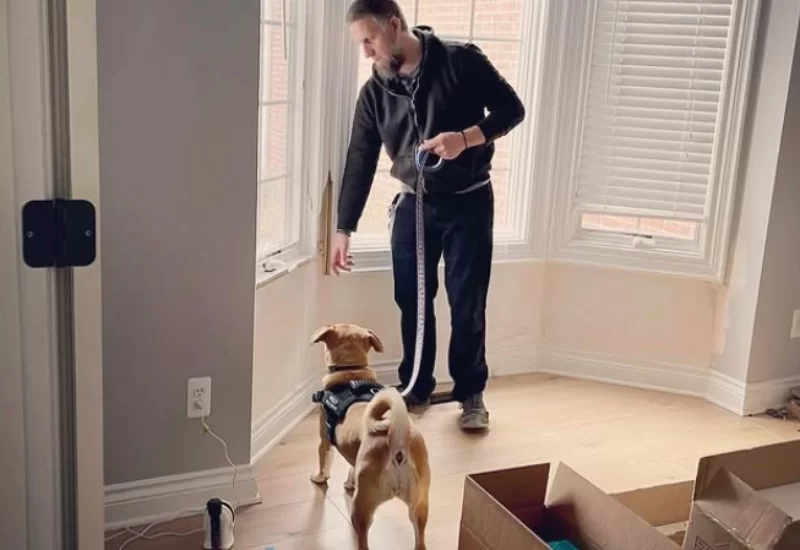
Mold issues in homes across Illinois can be stressful, confusing, and expensive. When you notice musty odors, see visible growth, or deal with water damage, the next step is often mold inspection and testing. Most homeowners are offered air testing first because it sounds scientific and familiar. While air tests have a place, they do not always tell the full story. Canine mold detection offers a more targeted way to find hidden mold sources before remediation begins. Below are five key differences every homeowner should understand before choosing a testing method.
1. What Air Testing Really Tells You vs. What Canine Detection Finds
Air testing measures mold spores floating in the air at one moment in time. The results can show whether spores are present, what type they may be, and how they compare to outdoor levels. This can help confirm that mold exists in the house.
Canine mold detection works differently. A trained mold detection dog can locate the exact source of mold inside walls, under floors, behind cabinets, and in other hidden areas. Instead of guessing where the mold is coming from, the dog pinpoints where active mold growth exists. This gives homeowners clear direction before starting any mold remediation project.
2. Accuracy in Finding Hidden Mold Sources
Mold often grows in places you cannot see. Behind drywall, under bathroom tile, in basements, crawl spaces, or around windows are common problem areas. Air testing can miss these hidden sources because spores do not always move evenly through the air. On days with low air movement or recent cleaning, test results can appear normal even when mold is present.
Canine mold detection is designed to locate mold at the source. A trained dog uses scent detection to identify active mold growth even when it is hidden behind building materials. This includes viable and non viable mold, dry mold spores, and mycotoxins that many tools cannot detect. This level of accuracy helps homeowners avoid opening large sections of their home just to “see what’s there.”
3. Cost and Time Impact on Mold Remediation
Air testing alone can lead to higher costs over time. When mold is confirmed but the source is unknown, remediation teams may need to open multiple walls, ceilings, or floors to locate the problem. This trial and error approach increases labor, materials, and repair costs. In some cases, mold remediation must be repeated because not all sources were found during the first project.
Canine mold detection helps reduce unnecessary demolition. By locating mold sources early, remediation can be focused only on affected areas. This targeted approach saves homeowners money and shortens project timelines. It also reduces disruption to daily life, especially for families living in the home during repairs.
4. Reliability in Different Home Conditions
Air testing results can change based on weather, airflow, cleaning habits, and how recently windows or doors were opened. A single test represents only a brief snapshot in time. This can lead to confusing results that do not match what homeowners are experiencing, such as musty odors or health symptoms.
Canine mold detection is less affected by these variables. The dog is trained to detect the scent of mold growth itself, not just spores in the air. This makes canine detection more reliable in homes where air movement, humidity, or cleaning routines may affect test results. For homeowners who want clearer answers, this reliability can make a major difference.
5. Peace of Mind for Homeowners
One of the biggest challenges homeowners face with mold issues is uncertainty. Air testing may confirm mold is present but leave families unsure about where it is and how serious the problem may be. This uncertainty can lead to stress, delayed decisions, and fear of high remediation costs.
Canine mold detection provides clarity. Knowing the exact location of mold helps homeowners understand the scope of the issue and make informed decisions. This creates peace of mind, especially during real estate transactions, after water damage, or when unexplained odors persist. Clear answers allow families to move forward with confidence instead of guessing.
When Air Testing Still Has a Role
Air testing can be useful in certain situations. It may help confirm overall mold presence, track changes over time, or support documentation needs. In some cases, air testing is part of a larger inspection plan. However, relying on air testing alone often leaves homeowners without the most important information: the source of the mold.
For the best results, many homeowners benefit from combining inspection methods. Canine mold detection can locate sources, while air testing can help document overall spore levels if needed. The key is using the right tool at the right time instead of relying on a single method.
How Mold Canine Helps Homeowners Get Clear Answers
Mold Canine provides a smarter approach to mold inspection and testing. Our mold detection dog, Molly, is trained to locate 16 different species of toxic mold, representing thousands of mold types. She can detect both viable and non viable mold, including mycotoxins and dry mold spores that infrared tools cannot find. This allows our team to identify hidden mold sources before remediation begins.
By focusing on source detection first, homeowners receive a complete picture of the mold problem in their home. This reduces guesswork, prevents unnecessary damage, and helps families plan remediation with confidence.
Choosing the right mold testing method can shape the entire outcome of your remediation project. Air testing can confirm mold presence, but it often falls short in locating hidden sources. Canine mold detection offers a targeted, reliable way to find where mold is actually growing so remediation can be focused and efficient.
If you want to stop guessing and start getting real answers, understanding these five key differences can help you make a smarter decision for your home, your budget, and your peace of mind.