
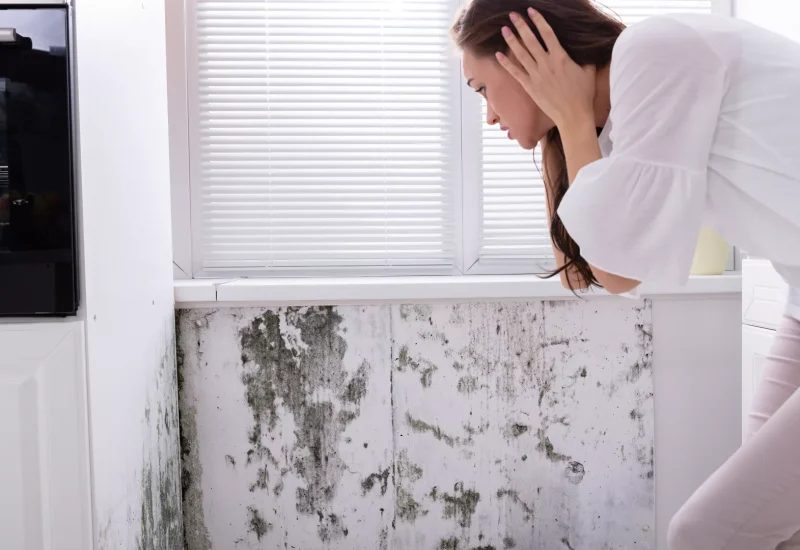
The problem: the words “black mold” instantly create panic. Many homeowners picture toxic clouds, unsafe homes, and massive repair bills. Fear spreads fast online, but not all of it is accurate.
The solution: let’s separate facts from myths. When you understand what black mold really is and how proper detection works you can make calm, informed decisions instead of reacting out of fear.
Understanding What “Black Mold” Really Means
Before we break down the myths, it helps to understand one important fact: “black mold” is not a scientific term. It’s a common label people use for dark-colored mold. While Stachybotrys chartarum is often called black mold, many mold species can appear dark in color.
Color alone does not determine toxicity. Mold growth is influenced by moisture, organic material, and ventilation not just how it looks.
Now let’s clear up the biggest misunderstandings.
Myth 1: All Black Mold Is Extremely Toxic
This is one of the most common fears. Many homeowners believe that if mold looks black, it must be highly toxic and dangerous.
The truth is more balanced. Some molds can produce mycotoxins under certain conditions, but not all dark mold is harmful at extreme levels. Mold affects people differently depending on exposure, health conditions, and sensitivity.
Instead of focusing only on color, the smarter approach is identifying:
- The species present
- The location of growth
- The moisture source
- The concentration level
Accurate detection removes guesswork. It allows homeowners to respond appropriately instead of assuming the worst.
Myth 2: If You Don’t See Mold, It’s Not There
Many people believe mold must be visible to be a problem. If there’s no visible growth on walls or ceilings, they assume everything is fine.
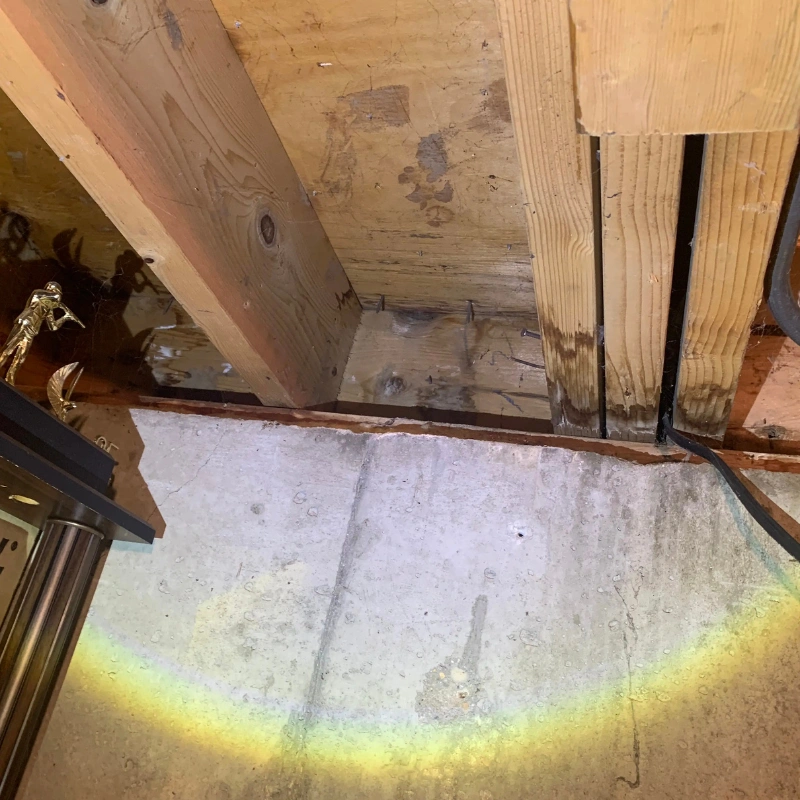
Unfortunately, mold often grows behind drywall, under flooring, inside insulation, or in crawl spaces. By the time visible mold appears, the issue may have been developing for weeks or months.
Hidden mold can also produce:
- Musty odors
- Allergy-like symptoms
- Repeated moisture stains
That’s why locating the exact source matters. Surface cleaning or air testing alone does not always reveal where mold is hiding. A targeted detection approach helps find growth even when it cannot be seen.
Myth 3: Air Tests Always Give You the Full Picture
Air sampling is common in traditional mold inspections. Many homeowners assume lab results provide a complete answer.
Air tests can confirm the presence of spores, but they do not always identify the exact source. Air movement, ventilation systems, and humidity levels can affect results. Mold may be present in one area while air samples suggest another.
Without pinpointing the physical source, remediation becomes more complicated. Walls may be opened unnecessarily, and multiple rounds of remediation may be needed if all areas are not identified at once.
A focused detection process that identifies source locations first can reduce unnecessary demolition and repeated costs.
Myth 4: Mold Remediation Is Always Extremely Expensive
It’s true that mold remediation can become costly—but it is often expensive because the source was not clearly identified from the beginning.
When remediation teams must “search” for mold during the removal process, costs increase. Opening ceilings, floors, and walls adds labor and materials. If one hidden source is missed, the issue may return.
However, when the exact location of mold is identified early:
- The remediation scope is more targeted
- Less demolition is required
- Time on the project is reduced
- Overall costs are often lower
Fear about extreme costs usually comes from uncertainty. Accurate detection creates clarity, which leads to better budgeting and smarter decisions.
Myth 5: Bleach or DIY Cleaning Solves the Problem
Many homeowners attempt to clean visible mold with bleach or store-bought products. While surface cleaning may remove visible staining, it does not address moisture problems or hidden growth.
Mold roots can penetrate porous materials like drywall and wood. Cleaning the surface does not remove growth inside the material. If the moisture source remains, mold can return.
Effective mold control requires:
- Identifying the source
- Correcting the moisture issue
- Removing affected materials when necessary
Skipping step one, source identification, is where many DIY efforts fail.
Why Fear Grows Faster Than Facts
Black mold myths often spread through social media, word of mouth, or outdated information. Fear-based messaging can make situations feel worse than they are.
The reality is this:
- Mold is common in many homes
- Not all mold situations are severe
- Accurate detection prevents overreaction
- Targeted remediation is more effective than guesswork
When homeowners rely on clear information instead of panic, they make better choices for their families and properties.
The Smarter Way to Handle Mold Concerns
If you suspect mold, the goal should not be to panic or assume the worst. The goal is to get accurate answers.
A focused detection process identifies:
- Whether mold is present
- The species involved
- The exact source location
- The scope of the issue
This allows remediation to be planned properly the first time.
Hidden mold problems become expensive mainly when they are misunderstood. Clarity reduces stress, prevents unnecessary demolition, and protects your home more efficiently.
Replace Fear With Facts
Black mold sounds alarming, and in some situations it does require professional attention. But fear alone does not solve mold problems. Information does.
Understanding the difference between myths and facts empowers you to:
- Avoid unnecessary panic
- Ask better questions
- Choose the right inspection method
- Make informed remediation decisions
If you are noticing musty odors, moisture issues, or unexplained concerns in your home, the best next step is not guessing. It’s getting accurate, targeted answers.
Mold situations feel overwhelming when they are unclear. Once the source is identified and the facts are known, the path forward becomes much more manageable.